Calculating Delta Gap with an Anion Gap Calculator
Understanding Delta Gap?
The delta-gap value is a helpful way to assess whether an acid-base imbalance is confined to one process or involves more than one pattern at the same time. It is most often used when a patient has acidosis and the anion gap is elevated. In that setting, the delta gap helps calculate whether the drop in bicarbonate matches the rise in the anion gap.
That comparison matters because a one-time episode of metabolic acidosis does not always account for the full medical importance of the lab results. If the anion gap rises more than expected, or if bicarbonate falls more than expected, the result may suggest a dual acid-base disorder. In other words, delta gap is a simple check for hidden complexity in acid-base balance.
The concept is closely related to the delta anion gap and the delta comparison ratio. These measurements compare the shift in the anion gap to the shift in bicarbonate. They are not used to substitute for the rest of the evaluation, but they add a useful layer of assessment when interpreting lab electrolytes.
In basic terms:
- The anion gap shows whether unmeasured acids may be present.
- The delta gap shows whether the bicarbonate change fits that rise.
- The result helps identify a possible hidden second disorder.
How an Anion Gap Calculator Works
An anion gap calculator is a utility that relies on basic electrolyte measurements to calculate the anion gap efficiently. The calculation is based on the values for serum sodium, serum chloride, and serum bicarbonate. Most calculators apply the standard formula:
Anion gap = Serum sodium - (Serum chloride + Serum bicarbonate)
This measurement helps determine whether there is an elevated level of unmeasured anions in the blood. When the result is greater than the expected reference range, it may suggest the presence of metabolic acidosis, especially high anion gap metabolic acidosis.
Here explains why each value matters:
- Serum sodium provides the main positive charge in the calculation.
- Serum chloride accounts for one major negative charge that changes in response to acid-base shifts.
- Serum bicarbonate reflects buffering capacity and often decreases in metabolic acidosis.
A calculator can give a fast result, but the clinical value comes from interpretation. The same anion gap number can have different implications depending on the patient’s electrolytes, symptoms, and arterial blood gas findings.
For example, if serum bicarbonate is low and chloride is high, the pattern may suggest normal anion gap metabolic acidosis. If bicarbonate is low and the anion gap is elevated, the evaluation moves toward high-gap causes and possible mixed patterns.
Delta Gap Formula & Stepwise Determination
The delta gap method matches the recorded rise in the anion gap with the anticipated fall in bicarbonate. The goal is to assess whether the change is consistent or whether a different issue is affecting the result.
Delta gap value = Elevation in anion gap - Reduction in bicarbonate
Another way to express the process is through the delta comparison ratio:
The delta ratio = (Observed anion gap - reference anion gap) ÷ (reference bicarbonate - Measured bicarbonate)
Before you calculate, you need a comparison range for the “normal” values applied in the comparison. Many providers use a normal anion gap of about 12 mEq/L and a normal bicarbonate of about 24 mEq/L, but local lab ranges may differ. For that reason the reference range should always be checked against the actual laboratory report.
Step-by-step:
- Find the measured anion gap from the anion gap calculator.
- Deduct the normal anion gap to get the anion gap change.
- Measure the bicarbonate deficit by subtracting the measured bicarbonate from the normal bicarbonate.
- Evaluate the two values using the delta gap formula or delta ratio.
Example calculation:
Assume a patient has:
- Serum sodium: 140
- Serum chloride: 100
- Serum bicarbonate: 14
To begin, calculate the anion gap:
140 - (100 + 14) = 26
If the normal anion gap is 12, then the delta anion gap is:
26 - 12 = 14
If the normal bicarbonate is 24, then the bicarbonate deficit is:
24 - 14 = 10
The delta ratio is then:
14 ÷ 10 = 1.4
This kind of result often suggests a typical high anion gap pattern, but the full diagnosis still depends on the patient’s overall picture. The value becomes more useful when compared with the expected pattern for the suspected cause.
How to Read Delta Gap Results
Delta gap interpretation is most useful after confirming high anion gap metabolic acidosis. The result helps determine whether the acid-base disorder is present alone or whether a different process is present.
Overall interpretation uses the idea that the increase in anion gap should roughly match the decrease in bicarbonate. If the match is unexpected, the result may suggest an additional disorder.
Common interpretation patterns:
- Normal or near-normal delta ratio: often in line with uncomplicated high anion gap metabolic acidosis.
- Low delta ratio: may suggest an added normal anion gap metabolic acidosis, because bicarbonate is falling faster than the gap is rising.
- High delta ratio: may suggest a concurrent metabolic alkalosis or chronic compensation, because the bicarbonate is not as low as expected for the size of the gap.
This is where mixed acid-base disorder detection becomes especially important. anion gap clinical significance A single lab result can hide two different processes moving in opposite directions. The delta approach helps uncover that pattern.
For example, a patient with elevated anion gap and severe diarrhea could have both high-gap acidosis and normal-gap acidosis. Another patient with vomiting and ketoacidosis could have high-gap acidosis plus metabolic alkalosis. In both cases, the delta result provides a clue that the acid-base disorder is not simple.
Always interpret the result with the arterial blood gas, symptoms, and the rest of the chemistry panel. Delta calculations are a tool for evaluation, not a final diagnosis.
Typical Causes of Abnormal Delta Gap
An atypical delta gap usually indicates a reason of high anion gap metabolic acidosis or a combination of conditions. The key is to connect the pattern with possible causes and the patient’s medical context.
Lactic acidosis is a common cause. In this state, lactate https://anion-gap-test559.swiftnestly.com/posts/what-is-the-typical-urine-anion-gap-range rises and increases the anion gap. If the bicarbonate drop is larger than expected, a second process may also be occurring.
Ketoacidosis is one more classic cause. This can occur with diabetic ketoacidosis, starvation, or alcohol-related situations. The anion gap becomes raised as ketones build up, and the delta gap can aid identify whether there is also a normal-gap acidosis or a metabolic alkalosis.
Renal failure can also lead to a high gap because the kidneys are less capable to clear acids. In advanced renal dysfunction, the pattern may be complicated by changes in chloride and bicarbonate handling.
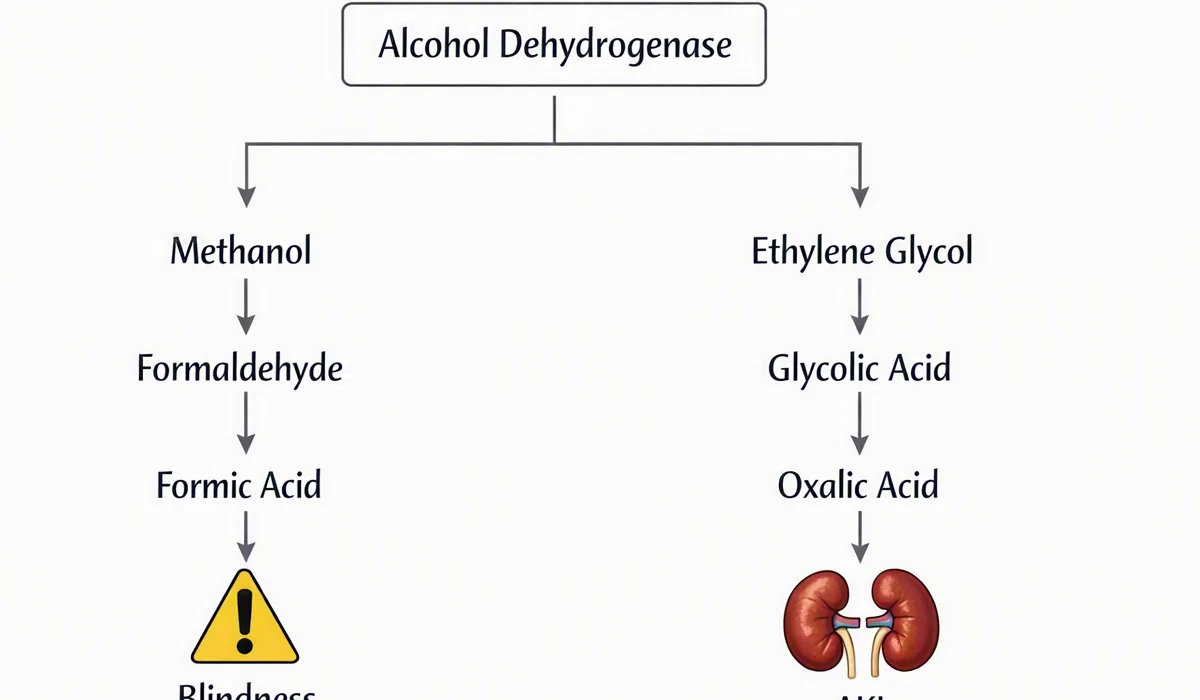
Toxic ingestion is an essential consideration when the anion gap is increased. Certain toxins can create severe metabolic acidosis with an abnormal delta result. In these cases, the delta gap should be read alongside history, exam findings, and the broader metabolic picture.
Additional causes of abnormal results can include:
- Marked dehydration with electrolyte shifts
- Various simultaneous disorders affecting chloride and bicarbonate
- Compensation patterns that change the apparent bicarbonate deficit
The practical question is not only “Is the anion gap elevated?” but also “Does the bicarbonate change match the gap change?” That comparison is where the delta gap is helpful.
Delta Ratio compared with Anion Gap: What Makes Them Different?
The anion gap and delta gap are related, but they address different questions. The anion gap asks whether hidden anions are present in greater amounts. The delta gap asks whether the size of the bicarbonate change corresponds to the size of the anion gap change.
In other words:
- The anion gap is the first screen for an acid-base problem.
- The delta ratio and delta gap are next-step tools for more detailed acid-base evaluation.
The delta ratio is often treated interchangeably with delta gap in clinical discussions, although the exact formula may be presented differently. Both methods aim to compare the elevation in anion gap with the decrease in bicarbonate. That comparison helps reveal whether a coexisting disorder is present.
For acid-base evaluation, the difference matters because the anion gap alone may overlook a hidden pattern. A normal-looking bicarbonate level can conceal a mixed disorder, and a high gap can coexist with another process that shifts chloride or bicarbonate in the opposite direction.
So, the main difference is purpose:
- Anion gap: reveals an abnormal measurement pattern.
- Delta gap: analyzes the pattern and looks for mixed disorders.
When to Apply Delta Gap in Patient Care
Delta gap is most useful when the clinical concern is focused on metabolic acidosis and the lab values are already suggesting a high-gap process. It is not usually the first calculation, but it is a valuable follow-up tool when the pattern is uncertain.
You should use delta gap when:
- The patient has abnormal electrolytes and low serum bicarbonate.
- The arterial blood gas shows acidemia and the chemistry panel suggests metabolic acidosis.
- You need to assess whether there is a hidden second disorder.
- The patient may have metabolic alkalosis with acidosis.
In practice, this is a clinical assessment tool that works best after the initial diagnosis of metabolic acidosis is already on the table. It helps answer the question: “Is this only a high-gap process, or is something else happening too?”
Delta gap is especially useful when:
- There is suspected lactic acidosis or ketoacidosis.
- The bicarbonate level seems lower than expected for the gap.
- The chloride level appears to be changing the acid-base pattern.
- The patient’s symptoms do not match a simple one-disorder explanation.
Because this calculation depends on accurate lab values, small measurement differences can affect the result. Always verify the serum sodium, serum chloride, and serum bicarbonate values before making a decision.
Common Questions About Delta Gap
How do you calculate delta gap from an anion gap calculator result?
To begin, apply the anion gap calculator to determine the anion gap from serum sodium, serum chloride, and serum bicarbonate. Then subtract the normal anion gap to get the delta anion gap. Then, subtract the measured bicarbonate from the normal bicarbonate to get the bicarbonate deficit. Contrast the two values using the delta gap formula or the delta ratio. This provides a quick estimate of whether the acid-base pattern is typical or mixed.
What is the significance of a high delta gap?
A high delta gap often means the rise in anion gap is larger than the fall in bicarbonate. That can suggest an additional process such as metabolic alkalosis or chronic compensation. It may also mean the expected relationship between the gap and bicarbonate is not fitting the usual pattern for metabolic acidosis. The result should be interpreted with the rest of the clinical data, not alone.
What is the difference between delta gap and delta ratio?
Both terms are used to compare the change in anion gap with the change in bicarbonate. The delta ratio is usually written as a ratio, while delta gap may refer to the same comparison in a slightly different format. In practical acid-base evaluation, both aim to detect a mixed acid-base disorder and clarify the pattern behind high anion gap metabolic acidosis.
Is it possible for a normal anion gap to still show a mixed acid-base disorder?
Yes. A normal anion gap does not rule out a mixed disorder. A patient can have normal anion gap metabolic acidosis plus another condition, or one process can offset another and create a misleading result. That is why the overall acid-base balance, arterial blood gas, and electrolyte pattern all matter during evaluation.
When should delta gap be used in metabolic acidosis?
Delta gap should be used after metabolic acidosis has been identified and the anion gap is elevated or potentially changing the pattern. It is especially helpful when you want to determine whether the result reflects only high anion gap metabolic acidosis or whether there is also normal anion gap metabolic acidosis or metabolic alkalosis. In short, use it when the diagnosis needs a deeper comparison of bicarbonate and the anion gap.