How Lactic Acidosis Impacts the Anion Gap
Lactic acidosis usually increases the anion gap because lactate piles up as an unmeasured anion during metabolic acidosis. In plain terms, when the body makes too much lactic acid or cannot eliminate it fast enough, hydrogen ions go up and serum bicarbonate falls, which changes the electrolyte pattern seen on a blood chemistry panel. An Anion Gap Calculator can help you check whether the result is elevated, but the number only makes sense when you interpret it alongside lactate level, albumin, and blood gas findings.
What Is the Anion Gap?
The anion gap is a derived value that helps estimate the difference between measured cationic and minus charges in the blood. It is commonly derived from serum electrolytes, especially sodium, chloride, and serum bicarbonate. Although it sounds like a direct measurement, the anion gap is really a useful calculation that helps detect hidden acids or other unmeasured anions.
In plain terms, the calculation matches sodium against chloride and bicarbonate. When bicarbonate drops because of an acid load, the anion gap often rises if the missing bicarbonate is replaced by other anions that are not directly measured. This is why the anion gap is such a helpful diagnostic clue in acid-base interpretation.
Clinically, the anion gap is part of acid-base balance. It assists separate different causes of metabolic acidosis and can point toward conditions such as lactic acidosis, ketoacidosis, or toxin exposure. Because anion gap clinical significance the result depends on lab values from the serum chemistry, even minor changes in sodium, chloride, or bicarbonate can alter the interpretation.
What Is Lactic Acidosis?
Lactic acidosis is a type of metabolic acidosis caused by excess lactate and lactic acid in the bloodstream. Lactate is produced when the body's metabolism shifts toward anaerobic metabolism, meaning the body is generating energy without enough oxygen supply for normal aerobic processes. This frequently occurs during reduced blood flow to tissues, critical illness, or other states that limit oxygen delivery.
When lactate accumulates, it reflects a metabolic disturbance rather than a single disease by itself. The underlying cause may be sepsis, shock, hypoxia, severe exercise, seizures, liver dysfunction, or medication-related effects. In each case, the core issue is that cells cannot process fuel normally, so lactate increases and the buffer system becomes overwhelmed.
Lactic acidosis is important clinically because it often indicates serious illness. A increasing lactate level may be an early warning sign that the body is under stress and needs urgent evaluation. The acid-base problem may worsen rapidly, so serial measurements matter as much as the measured value.
Why does Lactic Acidosis Elevate the Anion Gap
Elevated lactate levels increases the Anion Gap because lactate is an unaccounted-for anion. As lactic acid dissociates, it liberates hydrogen ions and leaves behind lactate. The hydrogen ions are neutralized, often by bicarbonate, which reduces serum bicarbonate on the blood chemistry panel. At the same time, lactate stays in circulation as a negatively charged particle that is not directly included in the standard Anion Gap calculation.
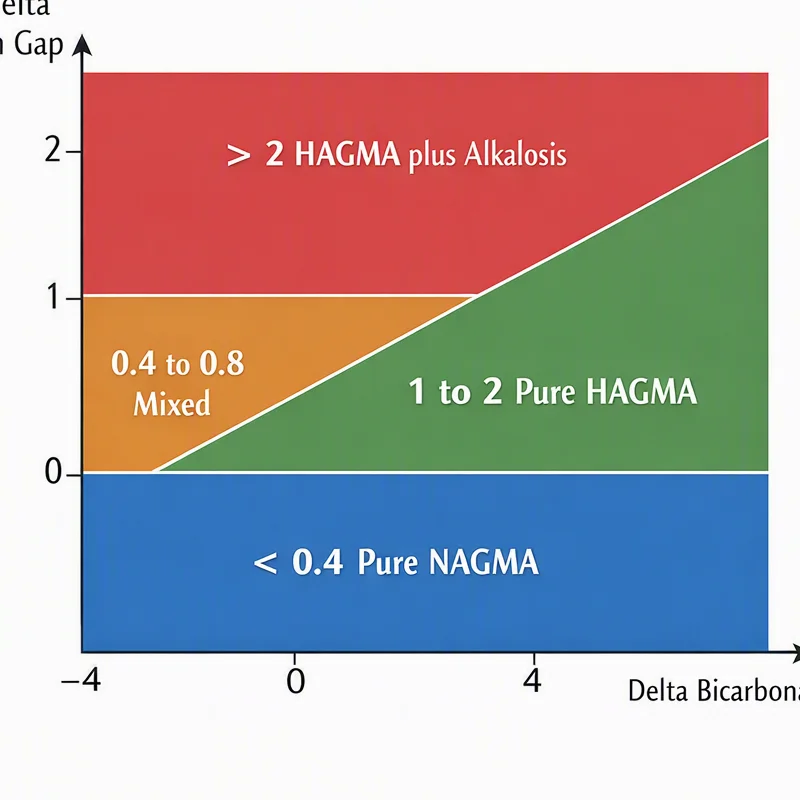
This creates a high Anion Gap metabolic acidosis. The “gap” widens because measured bicarbonate falls while unmeasured anions increase. In other words, the body is trading bicarbonate for acid, and the extra acid shows up indirectly through the calculation.
This mechanism is why lactic acidosis is so tightly linked to elevated Anion Gap findings. The Anion Gap does not measure lactate directly, but it often mirrors the metabolic consequence of lactate accumulation. That makes it a practical clue, not a standalone diagnosis.
A practical way to think about it is this: more lactate means more acid load, more hydrogen ions, and more consumption of bicarbonate. The result is a pattern that often points toward high Anion Gap metabolic acidosis. However, the size of the gap does not always reflect the severity of illness, so the full clinical picture matters.
Applying an Anion Gap Calculator in Healthcare Settings
An Anion Gap Calculator is a quick way to assess whether the anion gap is increased from a standard set of electrolytes. It typically takes sodium, chloride, and serum bicarbonate from a blood chemistry panel. For many patients, this is the first step in spotting a possible acid-base disorder.
That said, the raw number should not be considered alone. Albumin has a major effect on the anion gap because it is an key unmeasured anion. When albumin is low, the measured gap may seem less impressive than it truly is. This is why an albumin-corrected anion gap can be more precise in patients with low albumin, especially in critical illness.
Using the calculator alongside serum chemistry and blood gas results helps you put together the dots. For example, if the anion gap is elevated and serum bicarbonate is low, that suggests metabolic acidosis. If the lactate level is also elevated, lactic acidosis becomes a strong part of the differential diagnosis. If the albumin is low, correction may reveal an even more significant acid-base abnormality than the uncorrected value suggests.
In practice, the calculator is especially helpful when it is used as part of broader acid-base interpretation. It should inform next steps, not replace them. The most important question is not just whether the anion gap is high, but why it is high and whether the patient needs prompt care.
Common Causes of High Lactate and High Anion Gap
A number of conditions can raise lactate and lead to an high anion gap. The primary are states of poor tissue oxygenation or reduced perfusion. Sepsis is a typical cause because infection can cause tissue hypoperfusion, inflammation, and metabolic stress. Shock from blood loss, heart failure, or other causes can do the same.
Hypoxia can also lead to lactate formation because cells shift to anaerobic metabolism when oxygen delivery is inadequate. Even when blood oxygen looks normal, poor circulation can prevent oxygen from reaching tissues effectively. This mismatch between oxygen delivery and cellular needs is a classic cause of lactate accumulation.
Medications can also contribute. Some drugs disrupt mitochondrial function or change how the body clears lactate. When reviewing an elevated anion gap, it is important to consider medications as part of the underlying cause. That keeps the differential diagnosis comprehensive and helps avoid missing a reversible trigger.
Other causes of high anion gap metabolic acidosis can coexist with lactic acidosis. For that reason, the presence of lactate does not automatically end the evaluation. Clinicians often look for additional acid-base derangement, renal dysfunction, toxin exposure, or other metabolic problems that could be contributing.
How to Interpret an Elevated Anion Gap
An elevated anion gap is a clue, not a definitive diagnosis. The first step is to assess whether the pattern matches an acid-base imbalance such as metabolic acidosis. If serum bicarbonate is low and the anion gap is high, the result strongly suggests excess unmeasured acids. If the situation is unclear, a blood gas can help refine the acid-base balance.
Both ABG anion gap formula with K and venous blood gas testing can be valuable, depending on the clinical context. A blood gas provides pH and carbon dioxide information that helps determine whether there is compensation or a mixed disorder. In many settings, a venous blood gas gives enough data for early review, while an arterial sample may be used when oxygenation or ventilation needs more detailed evaluation.
Interpretation improves when you compare the anion gap with the lactate level. If lactate is elevated, that favors lactic acidosis as the cause of the gap. If the gap is high but lactate is normal, other diagnoses become more plausible. That is why acid-base interpretation should always include both the laboratory pattern and the clinical picture.
The compensatory response also counts. The body may try to lower carbon dioxide through faster breathing to partially offset metabolic acidosis. This does not fix the underlying problem, but it can shape the blood gas pattern. Reviewing these pieces together gives a more complete view of the patient’s acid-base balance.
When You Need Prompt Attention
Lactic acidosis can be a sign of critical illness, and specific emergency symptoms should not be ignored. Confusion, shortness of breath, marked weakness, chest pain, or hypotension may indicate that the body is not getting enough O2 or perfusion. These symptoms can accompany infection, shock, or other serious conditions that require right away care.
If someone has signs of getting worse along with an increased anion gap or high lactate level, they need immediate assessment. A delay can allow the imbalance to worsen and may heighten the risk of organ failure. Because the underlying cause may be easily reversible, timely evaluation matters.
Seek emergency care if symptoms are sudden onset, major, or associated with confusion. Mental confusion in particular is an important alerting sign because it may reflect reduced brain perfusion, serious metabolic imbalance, or both. Shortness of breath and low blood pressure are also warning signs that should be evaluated right away.
In short, do not delay for the calculator result alone to decide. If the person appears very ill, the safest step is to evaluate urgently. Lab values are informative, but the clinical significance comes from the full picture.
Frequently Asked Questions: High Lactate and Anion Gap
Why does lactic acidosis cause a high anion gap?
High lactate causes a high anion gap because lactic acid splits into hydrogen ions and lactate. The hydrogen ions are absorbed, which lowers serum bicarbonate, while lactate remains as an unmeasured anion. That combination raises the anion gap and creates a pattern of high anion gap metabolic acidosis.
Can you have lactic acidosis with a normal anion gap?
Yes, it can happen, especially initially or if another factor lowers the apparent gap. Low albumin can mask an elevated anion gap, which is why the albumin-corrected anion gap is useful. A normal gap does not completely rule out lactate accumulation, so the lactate level and blood gas still are important.
How elevated is the anion gap in lactic acidosis?
The anion gap can range broadly depending on the intensity of illness, the degree of lactate accumulation, and the patient’s albumin level. No single value exists that confirms lactic acidosis. The key is whether the gap is raised relative to the lab’s reference range and whether the other findings fit with metabolic acidosis.
Does albumin affect the anion gap in lactic acidosis?
Yes. Albumin is one of the primary unmeasured anions, so low albumin can make the anion gap look lower than it really is. In patients with low albumin, an albumin-corrected anion gap gives a better estimate of the true acid-base abnormality. This is especially important in serious illness.
What tests confirm lactic acidosis when the anion gap is elevated?
The most direct test is a lactate level, which helps confirm lactate accumulation. Clinicians also assess serum bicarbonate, sodium, chloride, albumin, and a blood gas to measure acid-base balance. A blood gas or venous blood gas can show the pH and compensation pattern, while the blood chemistry panel helps identify the elevated anion gap and guide the differential diagnosis.