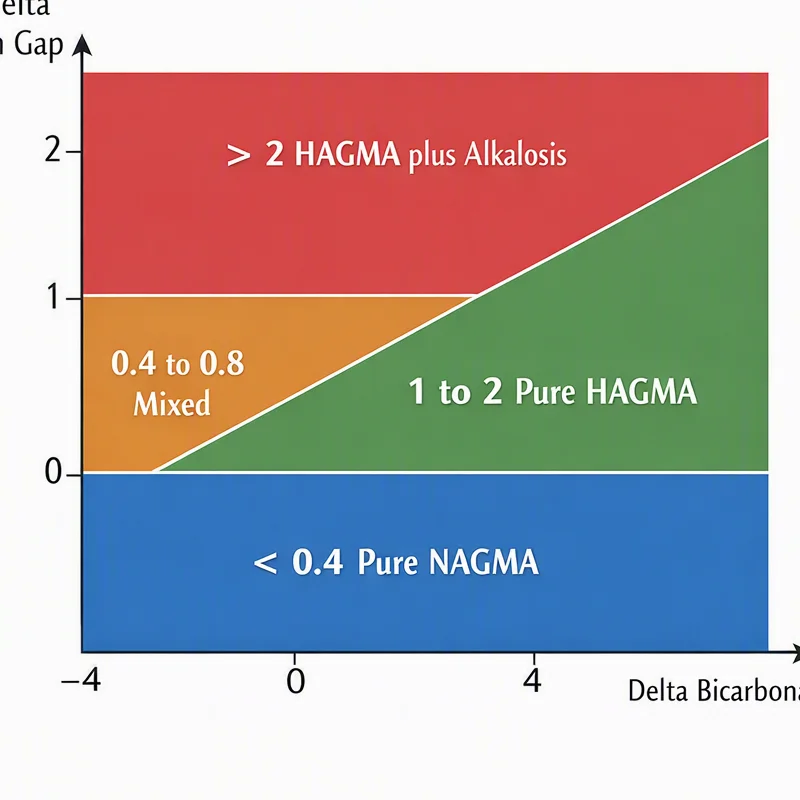
How to Determine Anion Gap in mEq/L
Understanding the Anion Gap?
The anion gap is a derived value that assists clinicians in assessing the balance of charged particles in the blood. It is calculated from common serum electrolytes checked with a serum chemistry or electrolyte panel, especially sodium, chloride, and bicarbonate. Because the body keeps acid-base balance tightly controlled, changes in the anion gap can point to an underlying acid-base disorder.
In basic terms, the anion gap relates the positively charged ions and negatively charged ions reported on routine blood chemistry testing. It is not a direct measurement; it is a secondary value used in screening, assessment, and medical review of abnormal laboratory values. When the result is outside the expected reference range, it may indicate a problem with electrolyte measurement or with the presence of extra acids in the blood.
Although the term sounds technical, the concept is clear: the anion gap helps detect whether there are unmeasured anions contributing to the chemistry picture. That is why it is often discussed in the evaluation of metabolic acidosis. It is one of the most useful calculations in basic serum analysis because it turns a few routine lab results into meaningful clinical significance.
Anion Gap Calculation
The usual anion gap formula most commonly used is:
Anion gap = Sodium - (Chloride + Bicarbonate)
This computation uses sodium, chloride, and bicarbonate results reported in mEq/L, an abbreviation for milliequivalents per liter. As the units matter, the result should be interpreted in the same measurement units as the input lab values. When the three values are taken from the same laboratory panel, the formula provides a quick way to estimate the gap between measured cations and anions.
Below is the simple calculation process:
- Use the sodium value from the lab report.
- Sum the chloride and bicarbonate values together.
- Deduct that sum from sodium.
As an example: if sodium is 140 mEq/L, chloride is 104 mEq/L, and bicarbonate is 24 mEq/L, then:
140 - (104 + 24) = 12 mEq/L
The outcome would usually fall within the expected range for many labs. This basic formula is the foundation for using an anion gap calculator, but understanding the math helps with interpretation when the result is unexpectedly high or low.
A few labs may add potassium in a modified equation, but the sodium-based version is the most widely used. From a practical standpoint, what matters most is consistent use of the same panel and awareness of the lab’s own reporting method. Slight variations in serum electrolytes can change the result, so the interpretation should always match the source of the laboratory values.
How to Operate an Anion Gap Calculator
An anion gap calculator renders the task more convenient by streamlining the arithmetic. You input the lab values for sodium, chloride, and bicarbonate, and the calculator gives the result in mEq/L. Many calculators also indicate whether the number appears to be within the typical normal range.
When using an anion gap calculator correctly, find these input fields:
- Sodium result from the serum electrolytes panel
- Chloride result taken from the same test
- Bicarbonate result from the same test
Once you enter the numbers, the calculator performs the same calculation as the manual formula. This helps for quick assessment, especially when reviewing multiple sets of laboratory values or checking a possible abnormal result during medical review. It can also cut down on math errors in busy clinical settings.
For best results, make sure the values come from the same electrolyte panel or serum chemistry test. Mixing results from different times or different labs can alter the interpretation. A calculator is especially helpful for identifying a possible high anion gap or low anion gap, but the number should still be reviewed in the context of the patient’s overall status, symptoms, and other tests.
In everyday practice, the calculator serves as a efficient form of screening. It does not replace clinical thinking, but it provides a reliable starting point when evaluating acid-base balance.
Normal Anion Gap Range
The normal range for the anion gap depends on the laboratory’s reference range and the method used for testing. Different testing systems, calibration methods, and reporting standards can lead to slight testing variation. That is why the “normal” number may not be identical across all facilities.
In many settings, a typical anion gap range is often around 8 to 12 mEq/L, though some labs may use a different reference interval. The most important point is to compare the result with the reference range printed on https://anion-gap-calculation.com/acid-base-disorders/dka.html the report rather than assuming a universal cutoff. This is especially important when evaluating an abnormal result.
Albumin also affects the expected range. Because albumin carries negative charge, lower albumin can lower the measured anion gap. A patient with hypoalbuminemia may appear to have a lower-than-expected value even when the underlying acid-base status is more complex. This is why any serious interpretation should consider albumin alongside the electrolyte result.
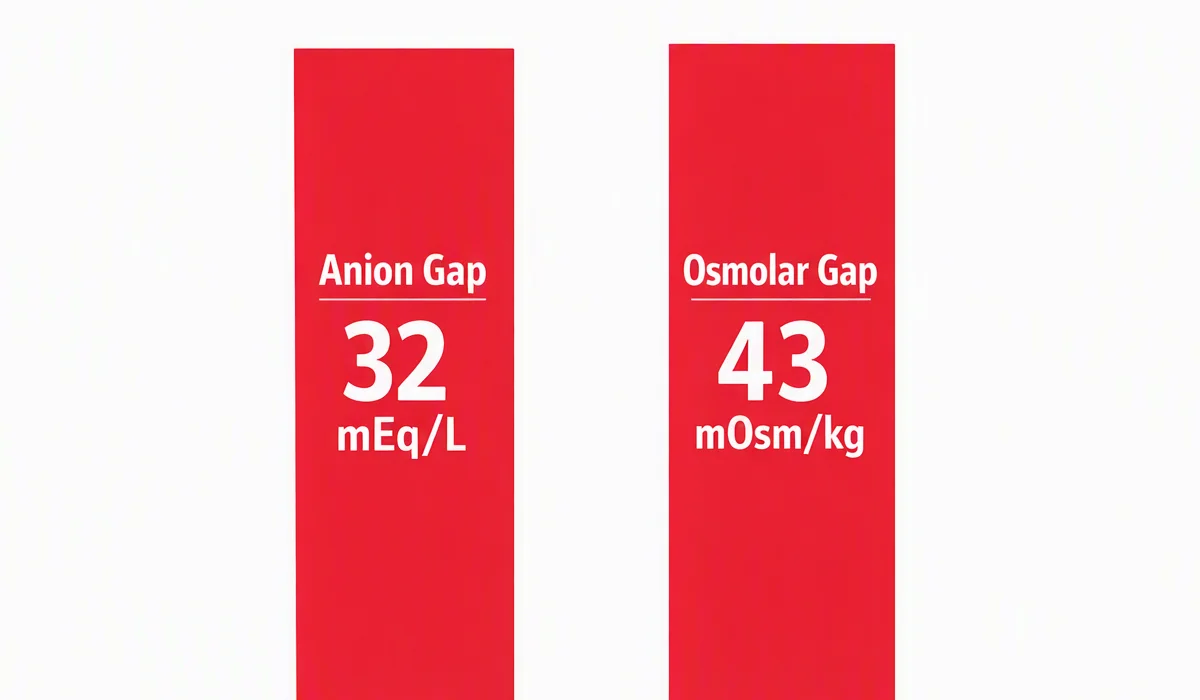
When reading a report, ask:
- What is the lab’s stated reference range?
- Was the test part of a standard serum chemistry or electrolyte panel?
- Is the albumin level low enough to change the expected value?
These questions matter because a value that seems abnormal in one setting may be expected in another. A thoughtful assessment depends on the lab’s own method, the patient’s blood chemistry, and the broader clinical picture.
Elevated Anion Gap vs Decreased Anion Gap
A increased anion gap typically indicates that excess acid compounds or other unmeasured anions are found in the body. This finding is often associated with metabolic acidosis and is one of the key clues in acid–base evaluation. In contrast, a low anion gap is rarer and may reflect reduced albumin, measurement issues, or the occurrence of unusual positively charged substances.
With a high anion gap, the body has more acid than expected, or the measured electrolytes do not account for all the negative charge in the system. This can help narrow the diagnosis when symptoms and other laboratory data suggest an acid-base disorder. A high result requires prompt attention because it may reflect a serious process.
A reduced anion gap is often more subtle. It may not point to a single condition, but it can still be clinically meaningful. In many cases, a low result is explained by hypoalbuminemia or by analytical variation in the serum electrolytes. Less commonly, it may signal other abnormalities that require more detailed medical review.
Both extremes count because they can reveal hidden changes in acid-base balance. The anion gap is not used alone, but it is a strong clue in a broader evaluation that may include repeat labs, blood chemistry, and additional tests.
Common Reasons of Unusual Anion Gap
Several conditions can shift the anion gap outside the normal anion gap. The cause depends on whether the result is increased or low, and the main reason often becomes clear only after considering the whole clinical picture.
Common sources of a high anion gap include:
- Lactic acidosis, where lactate builds up because of poor oxygen delivery, shock, or other stress on the body
- Ketoacidosis, which can occur when ketones accumulate during diabetes, fasting, or alcohol-related illness
- Renal failure, where the kidneys cannot remove acids effectively
These conditions increase acid burden or add unmeasured anions, leading to a widened gap. In the setting of metabolic acidosis, the anion gap helps identify whether the cause is likely related to retained acid, toxin exposure, or impaired clearance.
Common causes of a low anion gap include:
- Hypoalbuminemia, which lowers the amount of negatively charged albumin in circulation
- Lab or measurement issues in the serum electrolytes
- Uncommon protein-related or analytical abnormalities
Because many causes overlap, the best approach is to view the result as part of a pattern. A lone figure does not make the diagnosis, but it can direct attention toward the right next step. The clinical value of the anion gap is that it turns routine serum chemistry data into actionable insight.
How Albumin Affects the Anion Gap
Albumin is a key negatively charged protein in the blood, so it has a significant effect on the anion gap. When albumin is decreased, the measured gap may also be low, even if there is still an meaningful acid-base problem. This is why albumin correction is often suggested when evaluating abnormal results.
The goal of albumin correction is to determine a corrected anion gap that better represents the true acid-base state. In patients with hypoalbuminemia or broader hypoproteinemia, the raw value can underestimate the amount of unmeasured acid. A corrected value may reveal a clinically important gap that the original number seemed to miss.
Because different formulas are used in practice, the exact correction method may differ. What matters is the principle: lower albumin lowers the expected gap. If albumin is significantly decreased, the raw anion gap should be interpreted with caution. The same is true when multiple factors affect the blood chemistry at once.
For this reason, albumin should be part of every meaningful assessment of an abnormal anion gap. A normal-looking number may still be inaccurate if albumin is low, and a low result may become more revealing once corrected. That is why clinicians often compare the measured and corrected value before making conclusions about acid-base balance.
When the Anion Gap Is Clinically Important
The anion gap becomes notably important when evaluating acid-base disorders and unexpected changes in electrolyte imbalance. It assists guide the evaluation when a patient has complaints or lab findings that suggest metabolic acidosis. In these cases, the result may guide the next step in testing and treatment.
One common use is alongside a blood gas. A blood gas can reveal the pH and respiratory compensation, while the anion gap helps determine whether the acidosis is associated with extra acids or unmeasured ions. Used together, these tests create a broader picture of clinical interpretation.
The anion gap is also useful when:
- There is unexplained low bicarbonate on a serum chemistry panel
- The patient has a suspected toxin, ketone buildup, or lactic acid accumulation
- The result of an electrolyte panel does not match the expected clinical picture
- Albumin is low and a corrected calculation is needed
In other words, the anion gap is not just a number for a lab report. It is a practical tool for screening, focused assessment, and more precise diagnosis. When combined with symptoms, blood gas findings, and other laboratory data, it can help clarify whether there is a serious acid-base problem requiring prompt action.
Frequently Asked Questions
How do you calculate anion gap in mEq/L?
Use the standard calculation formula: anion gap = sodium - (chloride + bicarbonate). Place the values in mEq/L from the same electrolyte panel, then subtract the sum of chloride and bicarbonate from sodium. This is the same method used by an anion gap calculator.
What is the normal anion gap range?
The normal range depends on the lab’s reference range, but many reports fall around 8 to 12 mEq/L. Always check the specific laboratory values on the result because lab variation can alter the expected range. Albumin also affects what is considered typical.
What does a elevated anion gap mean?
A high anion gap typically points to too much acid or unmeasured anions in the body. It is commonly associated with metabolic acidosis and can be present with lactic acidosis, ketoacidosis, and renal failure. It should be read in the setting of the full blood chemistry and clinical picture.
In what way does albumin affect anion gap?
Albumin provides negative ion charge, so low albumin can reduce the measured anion gap. In hypoalbuminemia, the raw value may miss the true acid-base problem. That is why albumin correction and a corrected anion gap can be valuable for proper assessment.
Can an anion gap calculator replace medical interpretation?
No. An anion gap calculator is a useful tool for rapid calculation, but it cannot replace clinical interpretation or a full medical review. The result must be reviewed with symptoms, albumin, blood gas data, and other serum electrolytes before making a diagnosis or clinical decision.